I still remember the first time a client walked into their newly cleaned office and just stood there for a second, looking around like they’d never seen the place before. That’s the kind of reaction commercial cleaning gets when it’s done properly. Quiet, but you notice it.
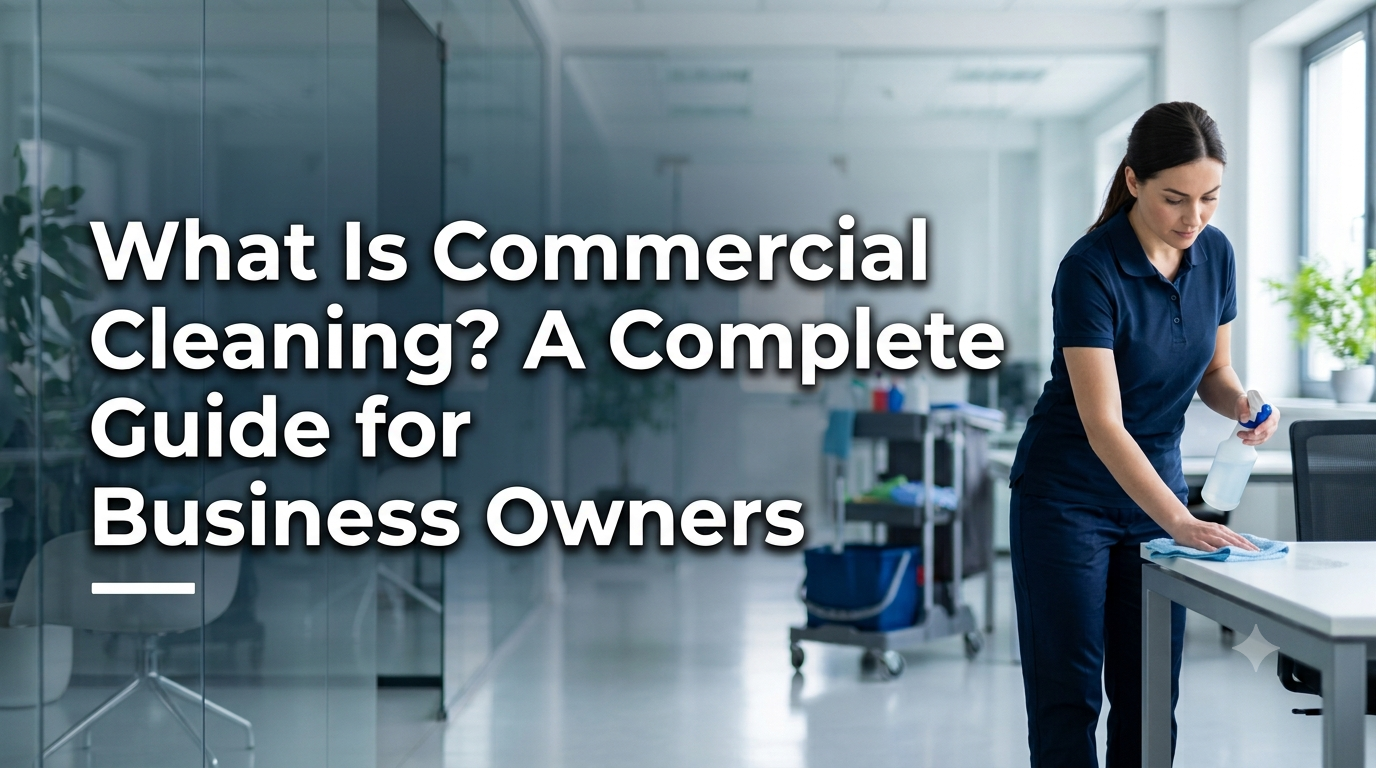
So, quick answer first. Commercial cleaning is the professional cleaning of business spaces, offices, shops, schools, clinics, gyms, you name it. It’s handled by trained cleaners using proper commercial equipment, usually on a set schedule rather than a once off visit. If you’ve searched “commercial cleaning services near me,” chances are you’re trying to find a company that can take this off your plate entirely and just keep showing up.
I’ve spent enough time around this industry to know most people searching this term don’t actually want a textbook definition. They want to know what they’re paying for, how it’s different from a regular house clean, and whether the cleaner showing up at 6am actually knows what they’re doing. So let’s go through all of it.
Quick Summary Before We Dive In
If you’re short on time, here’s the gist.
Commercial cleaning covers offices, shops, schools, clinics and basically any building used for business rather than living in.
It’s done by trained staff with real equipment, not just a spray bottle from under the sink.
Domestic cleaning is for homes. Commercial cleaning deals with bigger spaces and tighter hygiene expectations.
Industrial cleaning is its own thing entirely, mostly factories and machinery, and it needs a different kind of safety training altogether.
If you’d rather skip the DIY route, typing commercial cleaning services near me into Google is usually the fastest way to get a few quotes on the table.
Alright, let’s get into the actual detail.
What Does Commercial Cleaning Actually Mean?
Put simply, commercial cleaning is cleaning that happens somewhere built for business. Could be a solicitor’s office, a corner shop, a nursery, a dental surgery, a gym changing room that smells like, well, a gym changing room. Basically, anywhere that isn’t somebody’s home.
A typical contract covers vacuuming, mopping, dusting, wiping desks down, scrubbing toilets properly (not just a quick once over), emptying bins, and disinfecting the stuff everyone touches all day without thinking about it. Door handles. Light switches. The kettle handle in the break room that’s somehow always sticky.
There’s actual research behind why this matters, not just opinion. The International Sanitary Supply Association found that clean workplaces can cut employee sick days by close to 46 percent. Read that again. Almost half. A grubby office isn’t just unpleasant to sit in, it’s quietly costing the business money through people calling in sick.
Most companies don’t do one big clean and walk away. They sign up for an ongoing arrangement, daily, a few times a week, sometimes scheduled before the doors open or after everyone’s gone home so it doesn’t get in the way.
Why Does Any of This Actually Matter?
Honestly, it’s bigger than just looking nice when a client walks in. A clean workplace genuinely affects how healthy your team is.
Think about how many hands touch the same fridge door, the same shared keyboard, the same coffee machine button every single day. Germs move fast in spaces like that. The CDC has tied several workplace illness outbreaks directly back to poor hygiene in shared areas, kitchens and bathrooms especially.
And then there’s the first impression part, which people underestimate. Walk into a reception area that’s dusty or cluttered and you form an opinion in about three seconds, even if you’d never say it out loud. A clean entrance does the opposite job quietly. It tells people this place is run properly.
Commercial Cleaning vs Domestic Cleaning, What’s the Real Difference?
This is probably the question I get asked most, so let’s actually settle it.
Domestic cleaning is exactly what it sounds like. Cleaning inside someone’s home. Hoovering the lounge, washing up, a load of laundry, sorting out the kids’ bedrooms before grandma visits. Usually one cleaner, maybe two, and it’s a smaller job by nature.
Commercial cleaning is a different animal entirely. Bigger floor space, stricter hygiene expectations, and often a whole team working together rather than one person with a mop and a bit of spray.
A few things that actually separate the two in practice.
Size. A house is a handful of rooms. A commercial site might be several floors and thousands of square feet, sometimes more.
Tools. At home you’re probably using a regular hoover and supermarket spray. Commercial cleaners bring industrial vacuums, floor buffers, pressure washers, the proper grade stuff.
Rules. Businesses, particularly in food, healthcare or education, often answer to health and safety standards. Your living room doesn’t have an inspector turning up unannounced.
Frequency. A home gets cleaned weekly, maybe fortnightly. A business often needs daily attention, sometimes more than once a day depending on foot traffic.
Training. Commercial cleaners are usually trained in handling chemicals properly and following workplace safety rules, the kind set out by bodies like OSHA.
So really it comes down to scale and purpose. Domestic cleaning keeps your home livable. Commercial cleaning keeps a business safe, compliant, and presentable to whoever walks through the door.
So What Does a Commercial Cleaner Actually Do All Day?
A commercial cleaner’s job is keeping a business space hygienic, tidy and looking the part. But there’s more going on than people usually assume from the outside.
The Everyday Stuff
Most cleaners are doing some combination of this depending on the site.
Sweeping, mopping and vacuuming, often before opening or right after closing.
Dusting desks, shelves, blinds, and whatever electronics are gathering grime.
Properly sanitising toilets and sinks, not a wipe and a prayer.
Emptying bins and putting in fresh liners.
Wiping down the stuff everyone touches, door handles, light switches, lift buttons.
Topping up soap, paper towels, hand sanitiser.
Cleaning glass doors and windows so they don’t look smeared by lunchtime.
The Less Common Stuff
Some cleaners go further than the basics. Carpet shampooing, floor waxing, upholstery cleaning, deep cleans of kitchens or medical rooms, that sort of thing. These jobs need extra training and the right machinery, not just a bucket and a sponge.
A solid commercial cleaning team also knows how to work around your business hours without you having to ask twice. A lot of them turn up before sunrise or after closing specifically so they’re not getting in anyone’s way.
What Actually Separates A Good Cleaner From An Average One
In my experience, the ones worth keeping around know their chemicals well enough not to mix the wrong things together, understand cross contamination risks (this matters a lot in clinics and kitchens, more than people realise), notice the small stuff like streaky glass or a missed corner, and can move through the job quickly without making it look rushed.
That’s the bar you should expect when you search commercial cleaning services near me. If a company can’t hit that, it’s worth looking elsewhere, no matter how cheap the quote is.
Commercial Cleaning vs Industrial Cleaning, Are They The Same Thing?
People lump these together a lot, but they’re really not the same job.
Commercial cleaning is about spaces where people work, shop or get something done. Offices, shops, schools, restaurants, clinics. The whole point is hygiene and comfort for whoever’s using the space.
Industrial cleaning is about spaces where things get made, processed or stored. Factories, warehouses, power plants. The focus shifts toward safety, keeping the machinery running, and dealing with stuff like oil, grease or chemical residue that a normal mop isn’t touching.
Where They Actually Diverge
The setting itself. Commercial spaces are built around people. Industrial spaces are built around machines and production lines.
What gets used. Industrial cleaning often needs heavy duty degreasers, pressure washers, equipment built for proper grime. Commercial cleaning leans on lighter products meant for everyday office or retail use.
Qualifications required. Industrial cleaners often need certifications for hazardous materials or confined space work. Commercial cleaners need general safety knowledge but rarely touch anything that dangerous.
How often it happens. Commercial cleaning tends to run daily or weekly. Industrial cleaning often follows production schedules or maintenance windows instead.
Bottom line, if you’re running a shop, office or clinic, you want commercial cleaning. If you’re running a factory or dealing with heavy machinery, you probably want industrial cleaning, and sometimes both at once.
How Do You Actually Pick The Right Commercial Cleaning Company?
Price matters, sure, but it shouldn’t be the only box you tick. A few things worth checking before signing anything.
Ask if they’ve actually worked with businesses like yours. A company used to cleaning dental clinics follows very different protocols than one that mostly does retail shop floors.
Check they’re insured and bonded. If something gets damaged mid clean, you want that covered, not argued over.
Find out what products they’re using, especially if anyone on your team has allergies or sensitivities to certain chemicals.
Look up reviews, or just ask for references from other local businesses they’ve worked with.
Make sure their availability actually lines up with yours, early mornings, evenings, weekends, whatever fits.
If you’re comparing a few options for commercial cleaning services near me, take the time to read what other people are actually saying, and ask for a quote based on a real walkthrough rather than a guess over the phone. A company that’s upfront about pricing and scope from the start is usually one worth trusting.
Final Thoughts
Commercial cleaning ends up doing a lot more for a business than most people give it credit for. It’s not just about looking presentable for visitors, it genuinely affects staff health, how customers perceive the place, and whether you’re actually meeting basic safety standards.
Knowing the difference between commercial, domestic and industrial cleaning helps you figure out exactly what your business needs instead of just guessing and hoping for the best. Whether you’re running a small office or a much busier retail space, regular professional cleaning makes the place safer and more pleasant for everyone who walks through it, staff and customers alike.
If you’re at the point where you’re ready to sort this out properly, start by looking into a few commercial cleaning services near me, compare what they actually offer, and read the reviews before you commit to anything. A clean workplace tends to be a more productive one too, and honestly, a more trustworthy one in the eyes of anyone who walks through your door.
Frequently Asked Questions
What does commercial cleaning mean?
Commercial cleaning is the professional cleaning of business properties like offices, shops, schools and clinics. It runs on a regular schedule using commercial grade tools and products to keep the space hygienic and presentable.
What is the difference between commercial and domestic cleaning?
Domestic cleaning covers homes, while commercial cleaning covers business spaces. Commercial cleaning deals with bigger areas, stricter hygiene standards and far more frequent scheduling than a typical home clean.
What is the role of a commercial cleaner?
A commercial cleaner keeps a business space clean and sanitary by sweeping, mopping, disinfecting surfaces and restocking supplies. Most work outside regular hours so they don’t disrupt the day to day running of the business.
What is the difference between commercial cleaning and industrial cleaning?
Commercial cleaning is for people focused spaces like offices and shops, while industrial cleaning is for production focused spaces like factories and warehouses. Industrial cleaning usually needs specialised equipment and extra safety training.
How often should a business get commercial cleaning?
It depends on the business, but most need cleaning daily or several times a week. High traffic places like clinics or restaurants often need daily attention, while a smaller office might get by with a few sessions weekly.