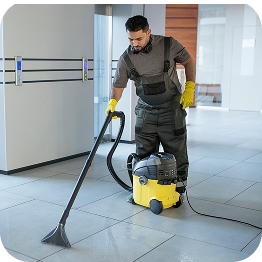



Why End of Tenancy Cleaning Is Different From a Regular Clean
A lot of tenants underestimate what end of tenancy cleaning actually requires, and that underestimation is one of the most common reasons deposits get disputed or partially withheld. A regular clean keeps a property tidy while someone is living in it. An end of tenancy clean has a completely different standard to meet.
The starting point is the inventory report completed when the tenancy began. That document describes the condition of the property at the point the tenant moved in, and it is what a landlord or property manager will compare the property against at the final inspection. The legal standard in England is that a property should be returned in the same condition as it was at the start of the tenancy, accounting for fair wear and tear. That means every area noted on the inventory, every surface, every fixture, every appliance, needs to be in a condition that matches or exceeds how it was documented when the tenancy began.
A regular weekly clean does not achieve that, especially for areas that accumulate build-up over months or years: limescale around taps and showerheads, grease inside ovens, mould in bathroom grout, dust in extractor fans, marks on walls and skirting boards. These are the things a surface clean does not touch, but an inspection almost always will.
What Our End of Tenancy Clean Covers in Blackburn Properties

Kitchen
The kitchen is consistently the area that causes the most deposit disputes, and it is easy to understand why. Ovens, in particular, accumulate grease and burnt-on residue over years of cooking that does not come off with a standard spray and wipe. We clean inside the oven properly, including trays, racks, and the door seal. Hob burners and surfaces get degreased, the extractor hood and filter get cleaned, and every cupboard and drawer is emptied (if the property is vacant) and cleaned inside. The fridge and freezer are cleaned and deodorised, worktops are scrubbed, and the floor is cleaned properly rather than just mopped over.

Bathroom
Soap scum, limescale, and bathroom mould are the three things that build up invisibly until they suddenly look very noticeable under inspection lighting. We descale the shower, taps, and toilet cistern; scrub the grout; clean the seal around the bath and shower tray; wipe down every surface, including the inside of the bathroom cabinet; and clean the extractor fan. The floor is properly cleaned rather than just swept, and the toilet is thoroughly disinfected rather than given a quick brush.

Bedrooms
Inside wardrobes and built-in storage are checked on every inspection and are one of the areas most commonly skipped in a DIY clean. We clean inside all wardrobes and storage, including shelves and hanging rails. Skirting boards are wiped down, window sills and ledges are cleaned, and any marks on walls are addressed where possible. Light fittings, ceiling fans, and high surfaces are dusted properly rather than ignored.

Living Areas and Hallways
Skirting boards throughout the property are wiped down, often overlooked but always inspected. Doors and door frames are wiped over, light switches and plug sockets are cleaned, curtain rails and blinds are dusted, and any wall marks are treated. Carpets are vacuumed thoroughly, and hard floors are cleaned properly.
Frequently Asked Questions
What is end of tenancy cleaning and why does it matter?
End of tenancy cleaning is a thorough clean of a rental property carried out at the end of a tenancy, before the final inspection. It matters because a landlord or property manager will compare the property’s condition against the original inventory report, and any cleaning that falls short of the starting standard can result in deductions from the deposit.
Does professional end of tenancy cleaning guarantee I get my full deposit back?
Cleaning is one factor in a deposit return, but it is not the only one. Damage, unpaid rent, and other issues are separate from cleaning. What we can guarantee is a clean carried out to a thorough, inspection-ready standard across every area of the property.
How long does end of tenancy cleaning take in Blackburn?
This depends on the size and condition of the property. A one-bedroom flat in reasonable condition typically takes two to three hours. A larger property or one that has been lived in for several years can take considerably longer. We give you a realistic timeframe based on the specific property.
the specific property. Do I need to be present while the cleaning takes place?
No. Most clients hand over a key and collect it once the cleaning is complete. As long as we can access the property, you do not need to be there.
Does the property need to be empty before you clean?
Ideally yes. We can clean around furniture and belongings if necessary, but a vacant property allows us to clean everywhere thoroughly, including inside wardrobes, under furniture, and in spaces that are not accessible when the property is still occupied.
Do you clean carpets as part of end of tenancy cleaning?
We thoroughly vacuum all carpets as part of the standard clean. Professional carpet steam cleaning is available as an add-on for carpets that need more than vacuuming, which is sometimes required for heavily soiled or stained carpets.
Do you provide end of tenancy cleaning for landlords and letting agents?
Yes. We work with both individual landlords and letting agents managing multiple properties across Blackburn. If you manage several properties and need a reliable cleaning provider for turnaround cleans, get in touch, and we can discuss an ongoing arrangement.
What areas of Blackburn do you cover?
We cover Blackburn and the surrounding East Lancashire area, all within a fifteen-mile radius of our Burnley base. If you are unsure whether your property falls within our service area, contact us directly.