If you’ve never actually read your cleaning contract line by line, you’re probably not getting what you think you’re getting. Most people assume “office cleaning” means someone comes in, wipes a few desks, empties the bins, and leaves. That’s part of it. But there’s a whole layer underneath that either gets included, charged as an extra, or quietly skipped depending on who you’ve hired.
I’ve lost count of how many businesses only find out what wasn’t covered after the carpets start looking grey or the windows have gone three months without a wipe. Nobody tells you upfront. You just have to know what to ask.
So let’s actually go through it.
The quick version, if you’re skimming
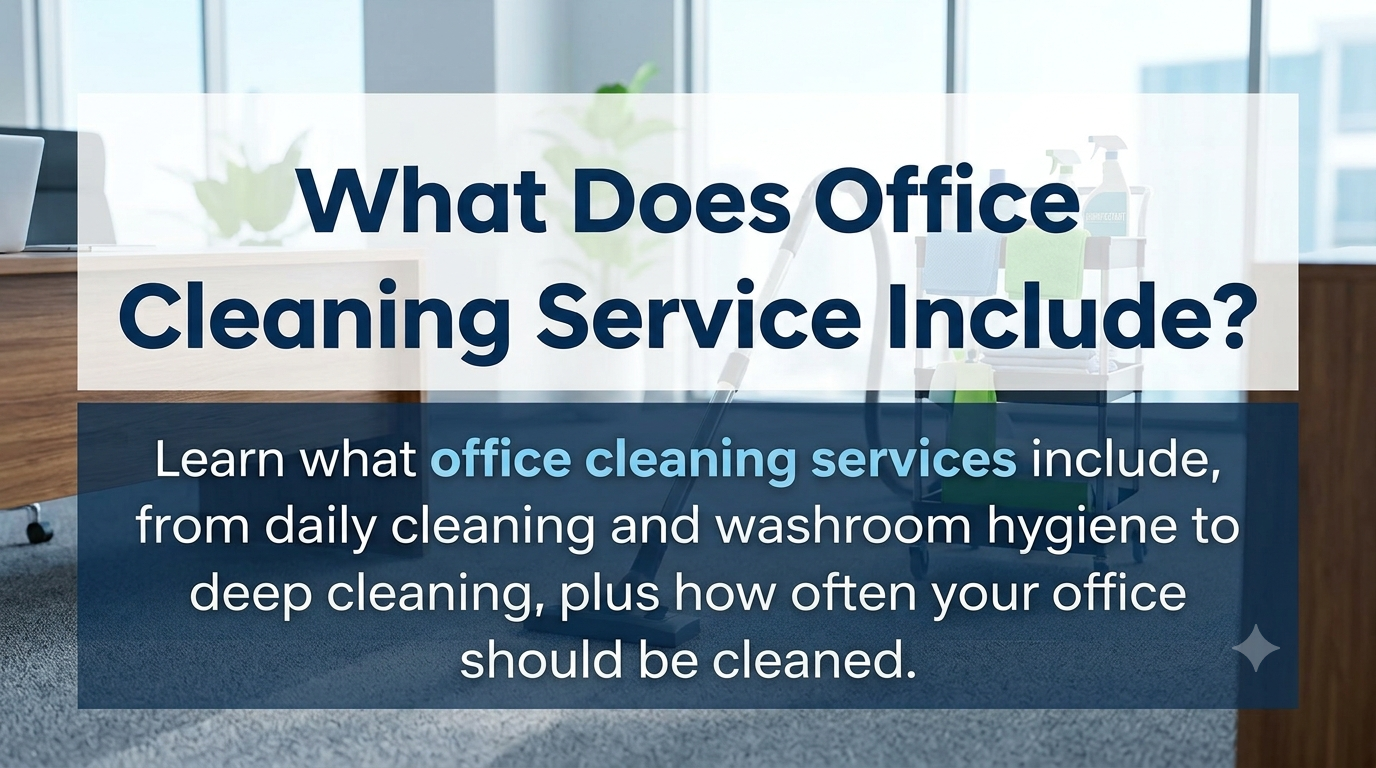
Daily cleaning is desks, floors, bins, washrooms, kitchen. The stuff that has to happen constantly or the place falls apart within a week.
Deep cleaning is separate. Carpets, upholstery, windows, vents. Booked every month or few months, not part of the daily visit.
A dirty office costs you more than it looks like. Sick days, client impressions, furniture wearing out early. It adds up quietly.
How often you need cleaning depends entirely on your office, not some universal rule. Ten people in a small studio is a different job than eighty people across two floors.
Go local if you can. A team that already does office cleaning Burnley businesses rely on tends to just get it faster than a national outfit dialing in from somewhere three hours away.
Why does this even matter that much
Honestly, most people underestimate it until something goes wrong.
There’s a stat that gets thrown around, and it’s true, that an average desk carries more bacteria than a toilet seat. Hundreds of times more, in some studies. Which is a horrible thing to know while eating lunch at your keyboard, but there it is.
The British Institute of Cleaning Science has been saying for years that workplace hygiene is tied to sick days, not just how nice a place looks on a Tuesday morning. That’s the part people miss. Cleaning isn’t cosmetic. It’s closer to preventative maintenance for your staff.
And then there’s the obvious bit nobody says out loud: a client walks in, and within about ten seconds they’ve decided something about your business. Doesn’t matter what your website says. The reception area does the talking first.
What’s actually in daily cleaning
Desks get dusted, wiped, tidied without anyone moving your paperwork around (a good cleaner won’t touch your desk chaos, just clean around it).
Floors get vacuumed, mopped, whatever the surface needs. Spills get dealt with before they set into stains, which matters more than people think.
Bins get emptied every single visit. This one seems obvious but it’s the first thing that slips when a cleaning company starts cutting corners.
Door handles, light switches, glass doors, all the stuff everyone touches and nobody thinks to clean. These get done too, or they should.
None of it’s exciting. It’s just the baseline that keeps a shared space from turning into a petri dish.
Washrooms are where standards actually show
You can tell a lot about a cleaning company by how the washroom looks on a Wednesday afternoon, not right after they’ve left.
Toilets and sinks disinfected daily. Soap and paper stocked before they run out, not after someone complains. Floors mopped with something that actually kills germs, not just water and a mop that’s seen better days. Mirrors that don’t have that streaky film build up.
It sounds basic. It is basic. But it’s the first thing that slips when standards drop.
Kitchens turn into nobody’s job real fast
Shared kitchens are a strange kind of chaos. Everyone uses them, nobody feels responsible for them, and somehow the fridge always smells like something from three weeks ago.
A proper cleaning visit handles the counters, the sink (actually cleaned, not rinsed), and the microwave, which is genuinely one of the dirtiest things in any office because everyone touches the buttons and nobody wipes them down. Ever.
Deep cleaning, the stuff daily visits don’t touch
Here’s where people get confused. Daily cleaning keeps things looking fine. It doesn’t get into carpets, upholstery, or the grime that builds up somewhere you’d never think to check.
Carpet steam cleaning pulls out the stuff vacuuming can’t. Dust mites, old spills, whatever’s worked its way into the fibres over months. Upholstery on office chairs holds more than people realize too, especially in busy offices where the same chair gets used by three different shifts.
Windows get done, sometimes just inside, sometimes both sides depending on what you’ve paid for. And then there’s the stuff nobody looks at until it’s visibly grey, vents, blinds, light fittings up near the ceiling that just collect dust for months because nobody’s got a reason to look up there.
Most places only book a deep clean once there’s a smell that won’t go away or a stain that’s clearly not coming out with a normal vacuum. Doing it on a schedule instead is cheaper in the long run, and honestly just easier to plan around.
Some offices need more than the standard stuff
Healthcare adjacent businesses, food places, anywhere with actual compliance requirements, these often need more than the usual package.
Disinfection or fogging treatments. Air duct and ventilation cleaning. Cleanup after a renovation, which is its own special kind of mess involving dust that gets everywhere. Floor stripping and resealing for anywhere with heavy foot traffic.
Not every cleaning company does this stuff. Worth asking straight up rather than assuming.
So how often do you actually need someone in
There’s no single right answer here, whatever a sales pitch might tell you.
Small office, under ten people, three visits a week is often plenty. Busier place with more people moving through, you probably want someone in daily. Bigger office with a shared reception or multiple washrooms, daily cleaning plus a deep clean every month or three is usually the sweet spot.
A decent provider will actually look at your space before recommending anything. If someone quotes you a schedule without ever seeing the office, that’s worth noticing.
Picking someone to actually do this
Ask exactly what’s included, day to day, and what costs extra. Not a vague pitch, an actual list. If they can’t give you a straight answer, that tells you something.
Local matters more than people expect. A company that already knows the area, the buildings, the local quirks, tends to respond faster when something needs urgent attention. If you’re nearby, going with a team known for office cleaning Burnley businesses actually trust usually beats a national chain juggling clients across three different cities.
Ask who’s cleaning your office, specifically. These are people with access to your building outside working hours. Fair to ask if they’re vetted, trained, insured, before handing over a key.
And try before you commit properly. Most good providers will do a trial or a single deep clean first. Tells you a lot more than any sales call will.
What actually happens if you just skip all this
Cutting the cleaning budget feels like a win right up until it isn’t. More sick days. Furniture and carpets wearing out faster than they should’ve. An office that just feels slightly off to anyone walking in, even if they couldn’t tell you why.
On the flip side, a well kept office does more for staff mood than people give it credit for, and it makes a stronger impression on clients than almost anything else sitting in that room. Small thing. Does a lot of quiet work.
Wrapping this up
Office cleaning is bigger than most people assume going in. Daily upkeep, washroom and kitchen sanitation, deep cleaning for the stuff that builds up slowly and never gets touched otherwise. All of it matters, just at different intervals.
Getting it right means knowing what you’re actually paying for, being honest about how often your specific office needs attention, and finding someone who bothers to look at your space instead of handing you a generic package off the shelf. Whether it’s a small studio or a full floor with multiple teams, getting this right pays off in fewer sick days, less wear on everything, and an office that looks ready whenever someone walks in without warning.
If you’re weighing up options nearby, it’s worth actually calling a couple of providers offering office cleaning services and asking the questions above before signing anything.
Quick questions people usually ask
What’s in a basic office cleaning package?
Dusting, vacuuming, bins, and daily washroom and kitchen sanitation. The stuff that has to happen constantly to keep a shared space livable.
How often should an office actually be cleaned?
Small offices often manage on two or three visits a week. Bigger or busier ones usually need daily cleaning. Comes down to headcount and foot traffic really.
Does this include carpet cleaning?
Vacuuming, yes, that’s part of daily cleaning. Full steam cleaning is a separate deep clean, usually booked every few months.
What about windows?
Interior windows sometimes get covered during deep cleans. Exterior windows are usually a separate add on, depends on the building.
How do I know if a deep clean is overdue?
Dust building up on vents and blinds, carpet stains that won’t shift, a smell that just won’t go away. Most offices need one every one to three months.